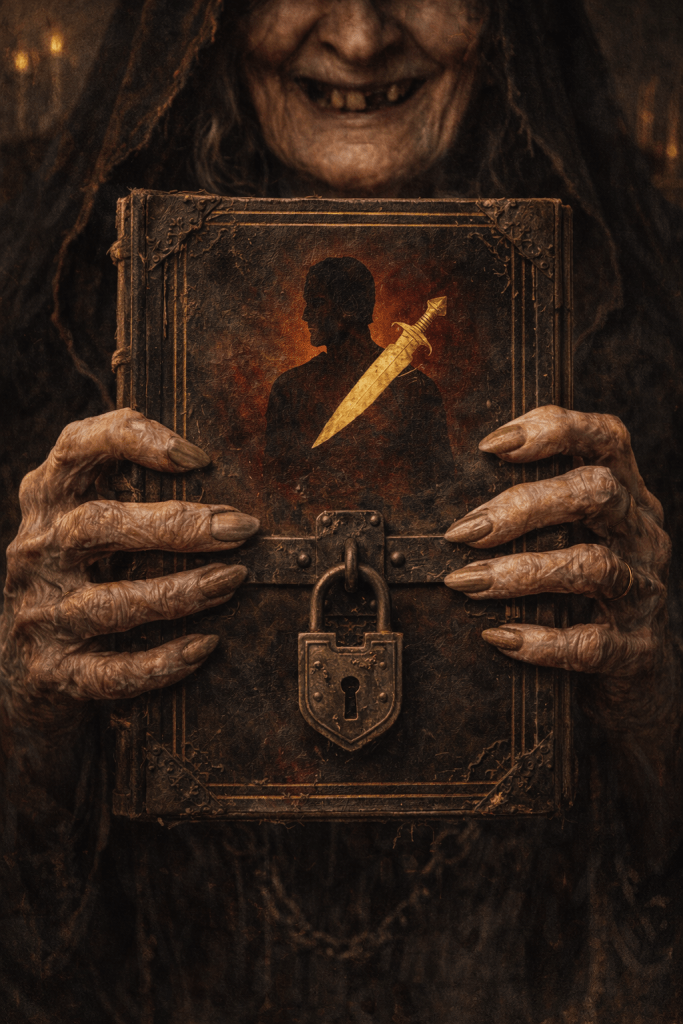
(Unofficial. Unwritten. Universally Enforced.)
These rules were never recorded in ink. They were enforced through repetition, silence, and punishment. Everyone knew them. No one admitted they existed.
Rule I: There Are No Apologies
Apologies imply responsibility. Responsibility implies fault. Fault threatens the system.
Therefore, apologies are forbidden.
Acceptable substitutes include:
- “I’m over it.”
- “It’s done.”
- “We’re not doing this anymore.”
Remorse is destabilizing. Closure is mandatory.
Rule II: The Offending Party Declares the End
The person who caused the harm decides when the matter is finished.
Once declared closed:
- discussion becomes aggression
- memory becomes obsession
- pain becomes a personal defect
Compliance is peace. Resistance is hostility.
Rule III: Closure Replaces Repair
Nothing is returned. Nothing is fixed. Nothing is corrected.
Declaring the matter closed is considered sufficient action.
Rule IV: Conflict Is Private, Consequences Are Public
Incidents occur quietly and without witnesses.
Reputation damage is discussed openly and treated as settled fact.
Truth is handled one-on-one.
Judgment is rendered collectively.
Rule V: Everyone Is Partially Guilty
No one is fully innocent.
No one is fully responsible.
Blame is distributed thinly so it cannot be removed.
Defending yourself too clearly implies deception.
Claiming innocence implies arrogance.
Rule VI: The King Never Initiates
The king does not cause conflict.
He responds to it.
He appears:
- after the damage
- during the fallout
- at the moment of forced closure
He advises. He resolves. He expresses exhaustion.
He is never accountable.
Rule VII: Manufactured Incidents Are Normal
Theft, vandalism, fraud, and “misunderstandings” are treated as inevitable facts of life.
They are not crimes.
They are conditions.
Seeking repair is considered disruptive.
Rule VIII: The Dowager Is Untouchable
The Dowager Queen may:
- stir conflict
- seed suspicion
- reinterpret events
- escalate quietly
She may not be questioned.
She is shielded by:
- her one good tooth (performative harmlessness)
- selective hearing loss (evasion of accountability)
- false religion (moral camouflage)
Challenges to her conduct are reframed as cruelty, disrespect, or blasphemy.
Rule IX: Moving On Is Mandatory
Healing is optional.
Silence is required.
To remember is to disrupt.
To revisit is to threaten unity.
Refusal to “move on” is betrayal.
Rule X: Knowledge Is Not Permission
Understanding the system does not grant safety.
Those who see clearly are not protected.
They are isolated.
Truth without power is treated as instability.
Speaking accurately is framed as obsession.
Silence is the only approved form of insight.
Rule XI: Survival Requires Participation
Neutrality does not exist.
If you do not stir, you must nod.
If you do not accuse, you must accept.
If you do not enforce, you will be targeted.
Nonparticipation is interpreted as disloyalty.
Rule XII: Intent Is Irrelevant
Only outcomes are judged—and only selectively.
Harm is excused if it serves the system.
Kindness is punished if it disrupts it.
Good intentions offer no protection.
Rule XIII: Leaving Does Not End Membership
Distance is not escape.
Those who leave remain:
- spoken about
- spoken for
- spoken over
Absence becomes evidence.
Silence becomes confession.
Rule XIV: The Record Belongs to the Dowager
History is curated, not remembered.
She decides:
- which versions survive
- which are softened into prayer
- which are erased
What is written is truth.
What is remembered is suspect.
The book is locked for a reason.
Rule XV: The System Protects Itself
The rules are not enforced equally.
They bend for power and harden against resistance.
Those who benefit from the system will defend it.
Those harmed by it will be blamed for not surviving it better.
**Archival Note
The Beaverton Rulebook is never read aloud in full. It is learned through consequence. It is enforced through silence. It is guarded by those who benefit most from forgetting it exists.
Some truths are not hidden. They are locked.
 The Beaver King, Cautionary Tales of Medieval Dysfunction
Leave a comment